
Aah-choo!

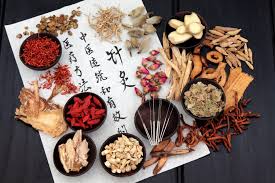
Source: Google Images – Chinese herbs

I have, on occasion, written a post that wasn’t centered around writing and instead centered on wellness (nutrition, overall health, etc.). For some reason, they haven’t been too popular with my readers. Oh well. It’s still writing, right? I can’t help myself – I have a need to inform, entertain, and occasionally educate. Isn’t that a big part of why you write?

So here goes…

This is one of my fave formulas; mainly because it has such broad-reaching uses. This article, written by me on November 6, 2013, is an abbreviated version of a larger article I wrote much earlier that detailed more of its immunomodulating abilities.

Keeping Colds and Flu at Bay with Yu Ping Feng San (aka Jade Windscreen)

Jade Windscreen Formula, also known as Yu Ping Feng San, is a classic formula estimated to be around 800 years old.

A wide range of conditions treated with Yu Ping Feng San, according to the late Dr. Joel Penner, AmericanDragon.com

It is comprised of three herbs: Bai zhu/white atractylodes (atractylodes macrocephala rhizome), Fang feng/siler root (saposhnikovia divaricata root), and the much revered Huang qi/astragulus (astragulus membranaceus root), also known as milk-vetch root. Yu Ping Feng San is a simple formula with broad applications.

While it has mainly been used for the prevention of colds (Wind-Cold invasion), research in recent years has shown it has a wider therapeutic range. The actions of this formula, according to Chinese medical pattern differentiation are:

Supplements the Defensive Qi (Wei Qi) and stabilizes the exterior; stops spontaneous sweating due to Qi deficiency and it disperses an external Wind pathogen.

This formula is appropriate for patients manifesting symptoms of spontaneous or profuse sweating, catch frequent colds or viral/bacterial infections, have an aversion to cold/wind, have scanty urine, and a pale or sallow complexion.

This is a constitutional type known as Qi Deficiency.

A person diagnosed with Qi Deficiency is unable to prevent exterior evils (known as Outside Pernicious Influences, or OPIs) from entering the skin and muscle layers, where wind and damp can accumulate. This sets up a chronic issue with Cold, Wind, and Dampness (excess mucus)  invading the exterior parts of the body (head, neck, face, skin and muscle tissue).

Some Modern Applications

The most common uses for Jade Windscreen Formula nowadays are for treating allergies (hay fever, allergic rhinitis, seasonal allergies) and the prevention of colds (note: once a pathogen has entered the exterior, this formula is no longer appropriate as it may bring the pathogen deeper into the body, making it more difficult to release).

Like most Chinese herbal formulas, it is designed to treat the root condition (Wei Qi deficiency) and is used mainly as a preventive in treating allergies.

An allergic response, in Western medicine, is described as a sign of a hyperactive immune system. The term “hyperactive” connotes excess but a more accurate description would be “over-reactive.” The “over-reaction” is a result not of excess, but rather one of over-stimulation of the immune system, which, over time, breaks down the body’s defenses (Wei Qi). This breakdown causes hypersensitivity to stimuli (pollen, dust, etc.) and looks like an excess because of the symptoms the patient manifests.

What actually happens, according to Chinese medical theory, is that the Zheng qi [jung-chee] (True Qi) and possibly the Wei Qi [way-chee] (Defensive Qi) have broken down.

The origin of the weakness may come from:

An excessive life style (stress, poor food choices, too much alcohol, etc.) stress-inducing factors (chemical exposure, work, environmental, etc.) or a single large assault of outside pernicious influences.

Jade Windscreen can also be used to treat asthma (in children and adults), especially during the remission stage.

There are many possible patterns of differentiation in Chinese medical diagnosis, but the Qi deficient constitution is present. Jade Windscreen can strengthen the Wei Qi and consolidate the exterior to prevent the invasion of exterior wind, cold, heat, and damp, which may trigger an asthmatic reaction. It also strengthens Lung Qi, which is often weakened by chronic asthma, thus reducing the number of flare-ups and the need for bronchial dilators.

The formula should be augmented according to the pattern diagnosis of each patient to bring about the desired therapeutic effect.

An an Immunomodulator

In a review of Jade Windscreen’s pharmacological effects in relation to the immune system, it is evident that the prescription could not only affect immunoglobulins, but also mononuclear macrophages, T-lymphocytes, natural killer cells, and other aspects of the immune system damaged by experimental interventions. Reviews of clinical applications of Jade Windscreen Powder published in 1989 and 1992 indicated the following uses:

Prevention and treatment of common cold and influenza as well as “summer fever” (acute infection with a fever that occurs in summer rather than during the winter cold/flu season), mainly in children.

  •  Cough and asthma
  •  Rhinitis, especially allergic rhinitis
  •  Urticaria, allergic dermatitis, erythema multiforme


#chineseherbs #chinesemedicine #herbalmedicine #eastmeetswest #americandragon #ronteeguarden #astragulus #qi #chi #acupuncture #alternativemedicine #writing #mestengobooks #readandwrite

Winter Foods and Reading: What’s On Your List?

winter reads

Credit: Google Images/Ben Aaronovitch

Time to Slow Down

As we head into the coldest time of year, the desire for quiescence and going within begins to grow within each of us. Reduced activity or, at least, more indoor activities, like reading, yoga, and contemplation by the crackling fire will help preserve our energies through to spring. Reading, baking, cooking from scratch all come to mind in this the slowest (and most flavorful, in my opinion) of seasons. I can’t help but share a bit of sage advice (from my own nutrition book, of course) about the best foods for the coming season, as well as some personal reading favorites that perhaps you, too, will explore by a crackling fire or scenic picture window.

The following is excerpted from “The 5-Element Guide to Healing with Whole Foods” (Lulu Press, Inc., 2016):

“Water is the element of Winter, the most Yin of seasons. It represents the completion of a cycle and the cleansing of previous cycles. Energies are stored deep within, as in the roots of plants and trunks of trees, as well as within ourselves. It is the time of year to be more introspective and less physically active. At this time of the year, it is essential to keep one’s internal core warm for good health.” 

Winter Foods

Functions: cooling, moisten dryness, soften and dissipate hard lumps/masses, improve digestion, purge bowels; detoxification.

Foods: celery, barley, millet, soy products (especially miso and soy sauce), seaweed (kombu, kelp, etc.), sea vegetables, sesame seeds (black & white), walnuts, pumpkin seeds, sunflower seeds; mushrooms.

Herbs/Spices: mineral salts (in their natural, unprocessed form), celery seed, nettles.

Good Seasonal Food Choices

“Winter is the season of the Kidney/ Urinary Bladder organ system, where our root energies lie. Bitter and salty foods are contracting and inward/downward moving, which help us store our energies and keep us centered. Salty foods strengthen Kidney but too much actual salt can weaken it.

Include miso, soy products, seaweed, seafood, millet, walnuts, pumpkin seeds, sesame seeds, celery seeds, and barley in your diet. Bitter foods include parsnips, cauliflower, cabbage, turnips/rutabagas, celery, alfalfa, rye, quinoa, chicory root, and burdock root. Roasted chicory root blended with other roasted herbs makes a nice substitute for coffee, which depletes Kidney energies, especially Essence, with its caffeine content.

It is appropriate to add some Yang foods (warming, acrid/pungent) if you tend toward feeling cold during winter months. One-pot meals like slow-cooked soups and stews are your best choices, and you can add in both salty and bitter foods to create a healthy, nutrient-dense meal.”

Good Winter Reads

Reading tastes vary but I know I’ll be digging into some of my favorite authors once the cold weather settles in for its seasonal visit. During the winter months, I have a habit of going back and re-reading some of my personal favorites. This is just a short list of mystery/suspense favorites: Walt Longmire series by Craig Johnson, anything by Michael Connelly and Daniel Silva or David Baldacci.

In historical fiction/WWII stories of resistance and spies (in France, UK, Italy), I’m loving Cara Black and her new Kate Rees novels: Three Hours in Paris (fictionalized account of a true situation dealing with Hitler) and her newest, Night Flight to Paris. She also has the delicious Aimee Leduc detective series in Paris that I’m slowly working my way through.

There’s also Kate Quinn (The Rose Code, The Alice Network), Madelaine Martin (The Librarian Spy, The Last Bookshop in London, The Keeper of Hidden Books) and a newly discovered (and absolutely addicting) series by Mark Pryor, whose protagonist, Hugo Marsten, is a Texan and former FBI agent, now head of security for the U.S. Embassy in Paris. He helps Paris police (Gendarme) solve homicides, occasionally with his on-and-off French girlfriend/journalist. Between Mark and Cara Black, I’ll never need a map to find my way around Paris!

Have a Wonderful Holiday Season – whatever you celebrate.

#reading #writing #author #food #cooking #baking #Paris #fiction #mysterynovel #adventure #carablack #katerees #markpryor #katequinn #holidays #nutrition #wholefoods #therosecode #thealicenetwork #thelibrarianspy #thelastbookshopinlondon

A Feast of Words for Your Palette

I just finished reading a lovely little book titled “A Feast at the Beach” by Willaim Widmaier. In the book he shares childhood memories of his summers in Provence, France (what a terrible childhood he had) with his grandparents. What I enjoyed most was that he included some delicious, old-world, mouth-watering French recipes that his grandparents served in their cozy cottage in St. Tropez. The recipes made his story come more alive for me while I envisioned the smells, tastes, and colors of the delectable dishes. It’s the kind of book I’ve not read often but enjoy when I happen upon one. (This one was a freebie offered at a recent writer’s meetup, so of course I took advantage.)

Another book I discovered several years ago, titled “How to Cook a Dragon: Living, Loving, and Eating in China,” details the life and food adventures of a Japanese woman (who is also a journalist) living in China. It’s a poignant tale laced with the most scrumptious recipes for authentic Chinese cuisine not seen here in America, unless you’re Chinese and cook them at home. Aside from the food, the story is delightful and a highly recommended read.

I enjoy books like these because they bring together food, family, friends, and their stories. I love to eat good food, share it with family and friends, and write/tell stories. They are the parts of life that bind together families, friends, and occasionally strangers. Not to mention that the authors are generous enough to share fabulous recipes with the world – and I am more than happy to take what they have given and add them to my kitchen repertoire. Language, food, and family are fundamentally tied together and books like these remind me of that. Makes me want to plan a family picnic and have everyone bring a family recipe dish. 

The books I mentioned here also use language (names and ingredients of the recipes, conversations between characters in the books) as part of the story – in these cases, French and Mandarin respectively. Because I also love languages (and have studied/dabbled in several over the course of my life), I see how it connects food to culture and people. It has always fascinated me, the way culture/language develop around the various cuisines of the world. That’s why I like Anthony Bourdain’s shows (on CNN) – he connects food with people and their cultures, and makes the food seem all that much more delicious.

Do you have a story to share where food is the centerpiece? I started writing a draft for a cookbook/family photo album years ago and it’s still a work in progress. But I love that every time I work on it, I’m taken down memory lane and get to re-live so many of the delicious made-from-scratch recipes I grew up eating. If you have a story like that to tell, don’t keep it to yourself, share it. Share it and let the world revel in the smells, tastes, and colors of your life story.