(COVID) Times, They are A’Changin’… For Writers

Sac free library

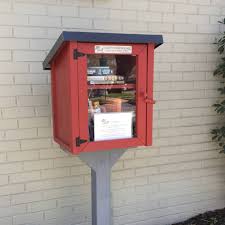
Little Free Library, Sacramento, CA

The New Normal?

Times are changing, for sure. Life is most certainly different as a result of this pandemic. Same old, same old isn’t anymore. Everywhere I go, I hear the phrase “this is the new normal.” We all have been changed by this virus, internally and externally, personally and globally. How it affects writers has been nothing short of upheaval, including the sad news of a huge loss to the writing world.

Last week the world lost author Carlos Ruiz Zafón, a prolific writer with an uncommon knack for vivid storytelling. His collection of books, including The Shadow of the Wind, (which I’ve mentioned in a previous blog) excited and intrigued me in a way I’d not experienced since I’d read the Neither Wolf Nor Dog trilogy. I recently re-read that book, devouring every page with gleeful delight; it is now a permanent part of my home collection. There are three other books in this collection and I highly recommend you devour each one (in no particular order, according to the author).

I discovered the slightly ragged copy in a Little Free Library in midtown Sacramento. The box in the pic is where I actually found his book, among many others that have provided me with amazing trips down Imagination Lane. Best idea ever, these Little Free Libraries (littlefreelibrary.org for a location near you). For writers, it’s free advertising!

Welcome to The Digital Life

Where are we headed? Into new territory, for many, but familiar for others. Social distancing has forced writers to find new avenues for marketing their works. Some of the safe-distancing options are digital (eBooks), audio (Audible), podcasting (storytelling and reading to audience), and FB groups (among other popular SM). 

For those of us not quite comfortable with the digital life (that would be me), I have to think about how to be creative, in my own unique way, in this ‘new’ world. Instead of pushing the book itself, I recently decided to turn it into an online course. What better way to get people excited about their health than to walk them through the information? Since my book is a non-fiction, it’s a no-brainer. 

Oh, The Choices

Options for fiction works may differ; for example, poets can offer a poetry class. Have you considered whether you could teach someone else how to write something? Do you have a degree in Journalism, English, or Communications? The digital life is now in full swing as millennials and many others take advantage of not only the social distancing aspect but also prices for online classes – they’re greatly reduced and there’s a multitude from which to choose.

Maybe you need to brush up on your MLA style or grammar and syntax in your sentences. Maybe you need help with plots and characters. Or writing a mystery. Or a comedy/farce. Whatever your need as a writer, online classes can surely fill it. Lots of experts out there so find classes taught by people with experience and know-how. Yes, we are smart to learn from our own experiences but it is the wise (wo)man who learns from the experiences of others.

Times are certainly changing; adaptability is key to not getting caught behind. Survival of the fittest, Darwin postulated. Change can be a good thing, if you’re willing to go along for the ride.

#fiction #novel #amwriting #TheShadowoftheWind #CarlosRuisZafon #authorsoninstagram #covidlockdown #keepwriting

Live Small, Live Well

old Italian windows_Milan

After watching a PBS Frontline report on coronavirus in Italy , I had an idea about people living smaller lives, and not just during a pandemic. What if we chose to live this way on a daily basis? Ideas led to writing and writing led me to creating this post – even though it’s not really about writing… but ends up that way, I guess.

In other words, when something moves you, write about it. 

Small and Close Is a Good Thing…Usually

Smaller living spaces bring people closer together. There’s plenty of room for everything you need using smarter design, smarter placements, living with less stuff. Simpler lives are happier lives. People are then able to focus on what really matters: relationships and community – look at Italians, they seem to have perfected it.

Europeans have lived this way for a long time out of necessity because there’s no room for the multitudes of sprawling American McMansions or penthouse-sized apartments in most European cities. Americans seem to think they need more open living space, so they purchase bigger homes and more material items, like furniture and art and expensive kitchen toys. But is it all really necessary in order to feel fulfilled? Or is it a nod to some internal need to “keep up with the Joneses?”

Or perhaps it’s the result of an overblown sense of entitlement; that what we want we deserve simply because we work for it or can afford it. That seems more like an individual-oriented mindset.

What’s Really Important

Watching the video, seeing the small spaces Italian families share, it’s no wonder they’re as close as they are. Normally, that’s a good thing but during a pandemic that kind of intimacy, sadly, has had a deleterious effect on their lives. But I doubt they’ll change their ways because those very connections are the lifeline of Italian life.

Smaller apartment homes force people to share the whole living space, including common and private areas (in Europe, brothers and sisters routinely share bedrooms). This type of living also provides lessons in conflict resolution since we’re not going to get along well all of the time. This is a community-oriented approach.  

Smaller is Better for Everyone

Tiny houses are all the rage here in America but what we need is to reduce overall apartment living space (square footage) to make room for more people in each building. With burgeoning populations across the globe, it makes sense for us to adopt more of a European style of living. We’ve been spoon fed the ideal that the “American Dream” is to own a single family home, which requires more land space and finite natural resources (and equates to a much larger individual environmental footprint). For some reason, in America, living with others in apartment or multi-family (aka tenement) housing is perceived as inferior to owning your own home (which actually owns you for 20-30 years until the deed is in your hands). The benefits of community living can far outweigh life in the suburbs.

European style refrigerators, for example, which are much smaller than their American counterparts, force people to think about what to eat, how much, and how often. Shopping becomes a daily responsibility or at least every 2-3 days, depending on how many one is shopping for and feeding. Smaller fridges force people to choose foods that are most important: what is fresh and made daily, rather than something with a 6-month or more shelf life; that’s hoarding for a future that may or may not come. This pandemic has certainly reminded us of that.

Living smaller means living well today, within our community. Tomorrow will come when it comes.

One Story, Two Story, Three!

writing graphic

You Have Multiple Options

As is usual, I’ve spent part of this afternoon trying to figure out the topic for my next blog post. Needing inspiration, I checked my professional email for ideas because I often send myself links to interesting and/or informative articles from Writers Digest and other literary sources.

Bingo.

Halfway down my professional email list is a link to an article on the art of writing spin-offs. It’s an informative article on how to get more than one angle/story from a particular topic. It’s a way to maximize the information you gather on a story and leads you to other avenues, thereby creating multiple stories and more income.

Head-Spinning Story Options

Of course, you submit these spin-offs to different magazines, depending on the angle of the story. Be careful not overlap the information; keep the angles separate and unique. Make sure to pitch to noncompeting publications. 

“Travel writers often write about the same location from different perspectives. Freelancer Valentina Valentini wrote about The Gravediggers Pub in Dublin for BBC Travel. She traced the history of the pub and its owners, steering clear of the ghost stories associated with it. Later, she pitched the haunted history to Atlas Obscura.”

Dinsha Sachan, The Art of Spin-Offs:

Freelance Article Ideas at Writers Digest

This reminds me of two of my previous posts: 1) Bad Choices = Good Stories (if you missed it, read here) written back in 2017, and 2) A Writing Life (On the Road) in 2016 (read here). Travel pieces, for example, can offer a multitude of angles because so many historical places are popular with travelers. You can focus on eco-tourism in one article for a travel magazine; historical context in another article for an historical magazine; food and culture in a foodie magazine. With a little imagination, you can create multiple stories from that one topic and increase your freelance income.

“Sometimes a news piece can sow the seeds for a broader trends feature.” Dinsha Sachan

“One story often leads entirely to another; both are different, and yet intricately linked.” Kamala Thiagarajan, an India-based freelance journalist

Researching a topic will often provide ample opportunities to explore different angles. Even if one avenue seems to go nowhere, don’t be afraid to explore it. You never know where it might lead – perhaps, to that writing life on the road, after all.

#authorsontwitter #authorsoninstagram #amwriting #writersdigest #magazines #travelwriting #historicalwriters